
A sign can be designed, priced, and ready to build, but the project still stops cold if the permit is missing or incomplete. That is why the commercial sign permit process matters so much for business owners, property managers, and facilities teams. In California, permit approval often has as much impact on your timeline as fabrication and installation.
The good news is that most permit problems are preventable. Delays usually come from incomplete drawings, code conflicts, landlord requirements, or site conditions that were not addressed early. When the permitting side is handled correctly from the start, your signage project moves faster and with fewer surprises.
What the commercial sign permit process actually covers
A commercial sign permit is a city or county approval that allows a business to install, alter, or sometimes reface a sign. The purpose is not just paperwork. Local agencies want to confirm that the sign meets zoning rules, building codes, electrical standards, and in some cases design review requirements.
That review can cover more than many buyers expect. A city may look at sign area, height, projection, illumination, structural attachment, wind load, visibility near streets, and whether the sign fits the approved sign criteria for the property. If the location is part of a shopping center, office complex, or multi-tenant development, the landlord may also require separate approval before the permit package can even be submitted.
This is where experience matters. A simple set of channel letters on a storefront may move quickly in one city and take much longer in another, especially if the property sits in a special district or the building has existing code issues. The permit process is rarely one-size-fits-all.
Why permit timelines vary so much
Clients often ask a fair question: how long should a sign permit take? The honest answer is that it depends on the city, the sign type, and the quality of the submittal.
Some jurisdictions review permits in days. Others can take weeks, especially when planning and building departments both need to sign off. Illuminated signs usually require more review than non-illuminated signs because electrical components and access details come into play. Monument signs, pylon signs, and signs with new structural footings can take longer than wall signs because engineering review is more involved.
There is also a difference between a permit that is technically submitted and one that is actually ready for approval. If plans are missing dimensions, materials, mounting details, or electrical information, the agency may issue corrections instead of approval. At that point, the clock stretches.
The documents most cities expect
The core of the commercial sign permit process is the submittal package. While every jurisdiction has its own forms and standards, most require a similar set of information.
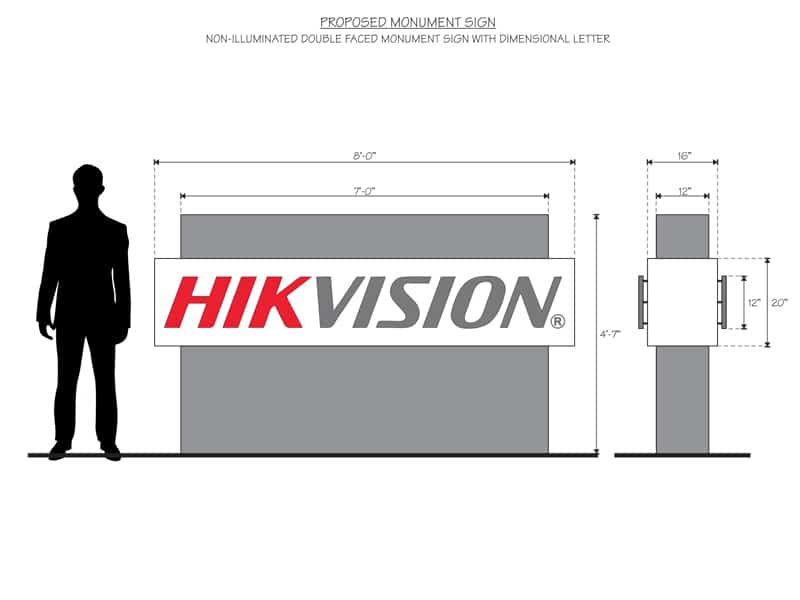
A typical package includes a site plan, sign elevations, dimensions, materials, colors, method of illumination, and mounting details. If the sign is illuminated, electrical specifications are often required. If the sign has structural complexity, engineered drawings may also be needed. Many cities also want photos of the building frontage and a clear indication of where the sign will sit on the facade or site.
What trips up many projects is inconsistency between these documents. If the site photo shows one condition, the elevation shows another, and the dimensions do not match, reviewers notice. Clean, coordinated plans help prevent correction cycles.
Common approval issues that slow projects down
Most permit delays are not random. They follow a pattern.
One common problem is sign size. A tenant may want a sign based on branding standards, but the local code or center criteria may allow less square footage. Another is placement. Signs installed too high, too close to property lines, or outside approved tenant zones often trigger revisions.
Illumination can also create friction. Some jurisdictions restrict brightness, internal illumination, cabinet styles, or lighting in certain districts. Electrical notes, disconnect locations, and access details may need to be clarified before approval.
Then there is the building itself. Older structures may have unknown wall conditions, nonstandard construction, or facade features that affect attachment. Even if the sign design looks straightforward, the installation method still has to satisfy code.
Landlord approval comes before city approval more often than buyers realize
For shopping centers, office parks, churches, and multi-tenant properties, landlord review is often its own gatekeeper. Property management may have brand guidelines, sign criteria manuals, preferred colors, logo placement standards, or restrictions on illumination and raceways.
If landlord approval is delayed, the city submittal may never start. If landlord criteria conflict with city code, the design may need to be adjusted before anyone can move forward. That is why the best process starts with both sides in mind rather than designing first and sorting out approvals later.
For franchise operators and multi-site brands, this issue shows up often. Corporate standards matter, but local compliance still controls what can be installed at a specific address.
How to keep the commercial sign permit process moving
The fastest projects usually share the same habits. The site is reviewed early. The sign type matches the property and local code. Drawings are prepared with enough detail for the first submission. And someone is actively tracking the file instead of waiting silently for updates.
A practical way to reduce delays is to treat permitting as part of the sign project, not an add-on after design approval. That means confirming landlord requirements, checking local sign ordinances, and identifying engineering or electrical needs before fabrication is scheduled.
It also helps to be realistic about timing. If your opening date is fixed, permit lead time should be part of the planning conversation from day one. Rushing the submittal rarely saves time if it leads to corrections.
What a well-managed permit workflow looks like
A reliable permit workflow starts with collecting the right information. That includes the business name, site address, tenant suite, property contact, desired sign type, and any existing sign criteria. From there, the site is evaluated, measurements are confirmed, and design intent is matched to code requirements.
Next comes plan preparation. This is where good vendors separate themselves. Clear permit drawings are not just presentation pieces. They need to answer reviewer questions before those questions are asked.
Once submitted, follow-up matters. Agencies may request corrections, clarifications, or additional documents. Quick responses help keep the project from falling to the bottom of a review stack. After approval, fabrication can proceed with more confidence because the build is based on permitted documents rather than assumptions.
For clients managing multiple properties, this kind of process control has real value. It reduces rework, cuts avoidable downtime, and creates more predictable installation schedules.
When expedited results are realistic and when they are not
Everyone wants a faster timeline, and sometimes that is possible. A straightforward storefront sign in a familiar jurisdiction with complete plans and no design conflicts can move relatively quickly. If the property manager is responsive and the sign falls within standard criteria, approval may be fairly smooth.
But there are cases where speed has limits. Historic zones, custom monuments, variances, and signs that exceed local allowances typically require more review. If a city is backlogged, no vendor can promise instant approval. The better promise is disciplined project management, accurate submittals, and consistent follow-through.
That is also why buyers should be cautious about low bids that gloss over permitting details. A cheap number on paper can become expensive if the sign has to be redesigned, resubmitted, or delayed during a tenant opening.
Choosing a sign partner that can manage compliance
Not every sign company handles permit coordination at the same level. Some fabricate well but leave approvals to the client. Others can support the full process, from design review and permit drawings to manufacturing, installation, and post-installation service.
For business owners and property teams, that full-service approach reduces risk. It creates one line of communication and helps ensure the people designing the sign understand how it will be approved and installed. California Sign Company takes that approach because permit coordination, code awareness, and installation planning are part of delivering a sign that performs well long after opening day.
A permit is not the exciting part of a signage project, but it often determines whether the rest of the project runs smoothly. When the process is handled with care, your sign gets approved with fewer delays, your timeline stays more predictable, and your investment starts working sooner. If you are planning a new sign, the smartest first step is making sure the permit path is clear before production ever begins.