
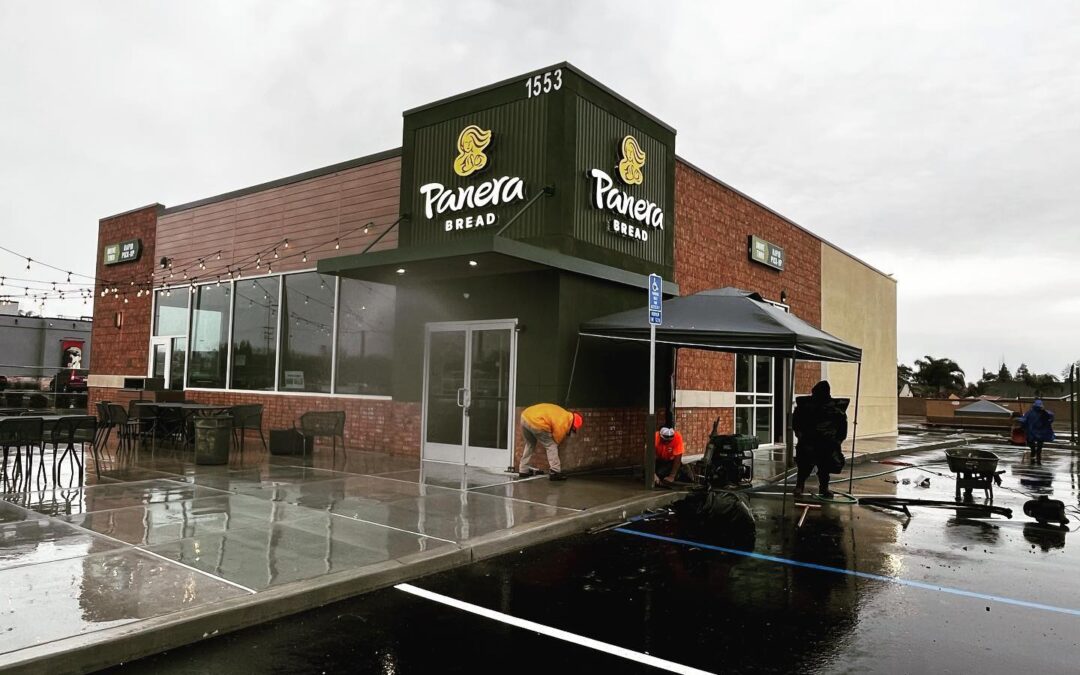
A corporate sign usually gets judged in seconds. Drivers notice it at 35 miles per hour. Tenants compare it to neighboring properties. Customers decide, often without thinking much about it, whether the business behind that sign looks established, current, and worth visiting. That is why corporate signage solutions are not a cosmetic extra. They are part branding system, part wayfinding tool, and part long-term advertising asset.
For business owners, property managers, and franchise operators, the real question is not whether signage matters. It is whether the sign program will do its job consistently over time. A sign that looks sharp on a rendering but fades, fails, or gets stuck in permit delays is not a good investment. The best results come from signage planned around visibility, compliance, material performance, and brand consistency from the start.
What corporate signage solutions actually need to do
At the corporate level, signage has a bigger job than simple identification. It has to present a company clearly across different touchpoints while still working for the location itself. Exterior building signs attract attention from the street. Monument signs help with site presence and access. Lobby signs reinforce brand credibility once a customer walks in. Directional signs reduce confusion and improve the visitor experience.
That sounds straightforward, but there is always a balance to strike. A highly polished brand package can lose impact if the sign is undersized for the building. A visually bold sign can create permitting issues if illumination, placement, or dimensions do not align with city requirements. Good corporate signage solutions solve both sides of the problem. They protect the brand while also fitting the physical and regulatory realities of the site.
This is where many projects go sideways. Decision-makers may focus on logo placement or color matching first, then deal with installation constraints later. In practice, those issues should be worked out together. Sign design, engineering, fabrication, and permitting are connected. If one part gets overlooked, the whole timeline can slow down.
The signs that matter most in a corporate environment
Not every location needs the same sign package. A standalone building with road frontage has different needs than a multi-tenant office property or a franchise unit in a retail center. Still, most corporate sign programs revolve around a few core pieces.
Exterior identification signs
Building signs and channel letter signs usually carry the most visibility value. They announce the business to passing traffic and help customers find the exact location quickly. For companies that operate in competitive commercial corridors, this is often the sign that influences first impressions the most.
Illuminated options tend to produce stronger after-dark visibility and more consistent brand presence. LED lighting is especially practical because it lowers energy use and generally holds up well over long operating periods. That said, illumination is not automatic proof of quality. The cabinet construction, face materials, wiring, and installation standards all affect how well the sign performs after months of heat and sun exposure.
Monument and site signage
Monument signs are often the right choice for business parks, medical campuses, corporate offices, and developments set back from the road. They give the property a permanent, established look while improving visibility from the street. They also help when the building itself is partially screened by landscaping, parking, or neighboring structures.
A monument sign needs more than attractive design. Scale, traffic speed, setback distance, and line of sight all matter. A low-profile monument can look elegant on paper and still underperform if it cannot be read soon enough by passing drivers.
Interior branding and wayfinding
Lobby signs, directional signs, suite identification, and branded interior displays matter more than some owners expect. Once a customer enters the building, the interior sign package tells them whether the organization pays attention to detail. It also reduces friction. Clear wayfinding supports a better visitor experience, especially in larger office, healthcare, or multi-tenant environments.
Interior signs also carry practical branding value during rebrands, tenant improvements, and expansions. They help create consistency between what customers see outside and what they experience once they walk in.
Why material choices matter in California
A sign that works well in a mild coastal climate may not perform the same way in the Central Valley. Long sun exposure, heat, and general weather wear can shorten the life of lower-grade materials fast. For that reason, corporate signage solutions should be evaluated not only for appearance but for durability under local conditions.
This affects more than fading. Heat can impact adhesives, warping, electrical components, and finishes over time. Acrylic faces, aluminum construction, protective coatings, and quality LED systems all play a role in how the sign ages. Cheap shortcuts often look acceptable at installation and then become expensive once repairs, lighting issues, or premature replacement show up.
For commercial properties, durability is tied directly to operating costs. A sign that lasts longer, uses efficient lighting, and requires fewer service calls is simply a better asset. The lower bid is not always the lower cost over five years.
Permits can delay a good sign if they are handled late
Permitting is one of the biggest stress points in commercial signage, especially for owners working on store openings, renovations, or franchise rollouts. Many sign projects do not stall because the design is complicated. They stall because municipal review, landlord approvals, or code requirements were treated as an afterthought.
Sign codes can affect size, height, illumination type, placement, structural details, and even the number of signs allowed on a site. In some cases, the property lease adds another layer through landlord design standards. If those details are not addressed early, revisions can add cost and push back installation.
That is why experienced project management matters. A sign company that can coordinate design, fabrication, permitting, and installation as one process usually saves the client time and frustration. It also reduces the chance of having a beautiful concept that cannot actually be approved.
How to judge the right corporate signage solutions
The best sign package is not always the biggest or most expensive one. It is the one that matches the business goal. For a new location, the priority may be visibility and speed to opening. For a rebrand, consistency across multiple sign types may matter more. For a property manager, durability and serviceability may be the deciding factors.
A few practical questions help narrow the decision. Will the sign be readable from the actual approach path customers use? Does the lighting support evening visibility without creating maintenance headaches? Are the materials selected for long-term exposure, not just short-term appearance? Is the permitting path understood before production begins?
Those questions tend to reveal whether a proposal is strategic or just decorative. Strong corporate signage solutions should support branding, but they should also hold up under real operating conditions.
Why end-to-end execution changes the outcome
Commercial signage gets more predictable when one team manages the full process. Design decisions stay grounded in fabrication reality. Permit documents are prepared with installation requirements in mind. Timelines become easier to manage because fewer handoffs create fewer gaps.
That matters for businesses trying to open on schedule or refresh a location without extended disruption. It also matters for accountability. If fabrication, installation, and warranty service are disconnected, clients often end up spending too much time figuring out who owns the problem. A full-service commercial sign partner reduces that risk.
For businesses in Fresno County and surrounding cities, local experience can also make a measurable difference. Familiarity with regional permitting patterns, climate demands, and common property types helps move projects forward with fewer surprises. That is one reason companies work with teams like California Sign Company when they need signage that is built to perform, not just installed and forgotten.
A good sign should keep working long after the install crew leaves. If your next project is being measured only by upfront cost, it is worth pausing and asking a better question: will this sign still represent the business the right way a year from now?