
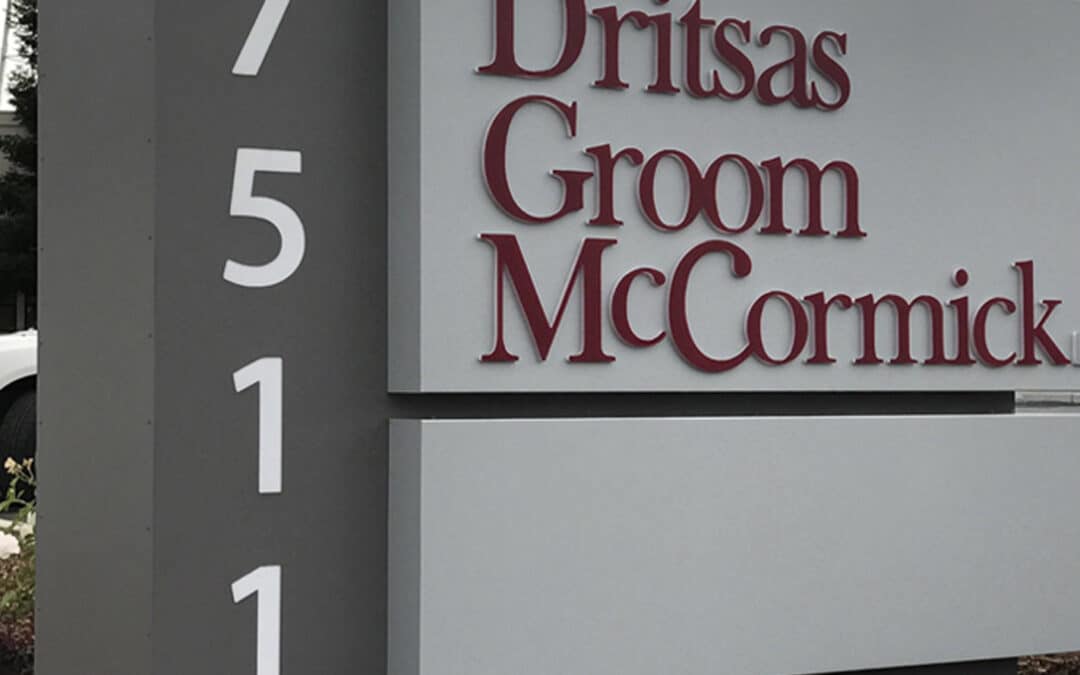
A business can have great foot traffic, a strong location, and a well-designed building – and still get missed from the road. That usually happens when the exterior signage is too small, poorly placed, or not built for the property. Monument signs for businesses solve that problem by creating a clear, permanent presence at street level where drivers, customers, tenants, and visitors actually look.
For many commercial properties, a monument sign is not just a marker. It is the first branded impression, a practical wayfinding tool, and a long-term advertising asset that works every day without ongoing media spend. When it is designed correctly and built with the right materials, it adds visibility and professionalism while standing up to weather, sun exposure, and regular wear.
Why monument signs for businesses work so well
Monument signs are especially effective because they combine visibility with permanence. Unlike temporary banners or smaller wall-mounted panels, a monument sign sits close to traffic flow and anchors the site visually. It tells customers they have arrived, helps new visitors identify the entrance, and gives the property a more established appearance.
That matters for a wide range of commercial environments. Office parks use monument signs to identify tenants and direct visitors. Retail centers use them to display anchor tenants and improve traffic flow. Medical campuses, schools, churches, apartment communities, and industrial facilities use them because they make large or multi-building properties easier to navigate.
There is also a branding advantage. A well-fabricated monument sign communicates stability. It suggests that the business or property owner has invested in quality, presentation, and customer experience. For decision-makers managing a commercial site, that can support leasing, improve curb appeal, and reinforce confidence before someone ever walks through the door.
What makes a strong monument sign design
A good monument sign starts with the property, not just the logo. The most effective designs consider how fast vehicles are moving, how far the sign sits from the road, what landscaping or utilities affect placement, and how the architecture of the building should influence shape, color, and material selection.
Scale is one of the biggest factors. A sign that looks balanced on paper may be too small to read in real conditions. Letter height, contrast, illumination, and viewing distance all affect legibility. If a property serves multiple tenants, the layout also has to account for hierarchy so the primary identity is clear and secondary information does not become cluttered.
Material choice matters just as much. Some monument signs use masonry, stucco, concrete, aluminum, acrylic, routed panels, or dimensional lettering. The right combination depends on budget, brand style, and exposure to the elements. In California, strong sun, wind, and long-term color retention should always be part of the conversation. A lower upfront price can become expensive if the finish fades early or the structure requires repeated service.
Illumination is another design decision that depends on the site. Some properties benefit from internally illuminated cabinets or push-through lettering. Others are better served by external lighting for a more architectural look. There is no single best answer. The right choice depends on visibility needs, local code, power access, and the overall character of the property.
Choosing between single-tenant and multi-tenant monument signs
Not every property needs the same type of sign. A single-tenant monument sign usually puts full emphasis on one brand and can be more customized in form, finish, and messaging. These are common for corporate offices, churches, standalone retail stores, hotels, and healthcare facilities where one identity should dominate.
A multi-tenant monument sign has a different job. It must support multiple occupants while staying organized and readable. That often means a stronger focus on panel systems, changeable tenant areas, and careful spacing. For shopping centers and business parks, flexibility matters because tenant rosters change. A sign that is difficult to update can create unnecessary service costs later.
This is where planning ahead pays off. Property managers often need a solution that looks permanent and polished but still allows future panel swaps without rebuilding the entire structure. The best designs balance appearance with maintainability.
Permits, codes, and site conditions can change the project
Monument sign projects are rarely just about fabrication. Permits, zoning rules, engineering requirements, and utility coordination often shape what is possible. Height restrictions, setback rules, sign area limits, illumination standards, and landlord criteria can all affect the final design.
In California, these details are not minor. Different cities and counties can interpret sign ordinances differently, and requirements may vary between a retail corridor, industrial zone, mixed-use property, or institutional campus. A sign that looks straightforward at the concept stage may need revisions once municipal review begins.
That is why experienced project management matters. When design, permitting, fabrication, and installation are handled as separate pieces by separate vendors, delays become more likely. Questions about footing depth, electrical access, engineering stamps, and inspection timing can stall progress if no one is coordinating the full scope.
For business owners and facilities teams, this is often the biggest source of frustration. They do not just need a sign builder. They need a partner who can account for approvals, keep the schedule moving, and reduce the back-and-forth that slows occupancy, rebranding, or grand opening plans.
Construction quality is where long-term value shows up
Many monument signs look good right after installation. The difference shows up a year or two later. Lower-grade materials, weak paint systems, poor drainage planning, or rushed installation can lead to fading, cracking, water intrusion, electrical issues, or structural wear that turns a visual asset into a maintenance problem.
Long-term performance depends on both fabrication and field installation. The internal structure has to be engineered for the site. Finishes should be selected for UV resistance and weather exposure. Electrical components should be installed cleanly and safely. If the sign includes tenant panels or illuminated faces, those elements should be accessible for future service without tearing apart the entire assembly.
A dependable sign company will talk openly about those issues before the job starts. That includes explaining trade-offs. For example, some materials may lower initial cost but require more maintenance. Some custom finishes may look excellent but extend the fabrication timeline. Some illuminated options improve nighttime visibility but need more coordination during installation. Clear guidance helps buyers make practical decisions instead of expensive guesses.
How monument signs support branding and wayfinding
The best monument signs do more than display a name. They help people move through a property with less confusion. That matters at healthcare facilities, schools, office campuses, and larger retail sites where first-time visitors can easily miss an entrance or turn into the wrong drive aisle.
A monument sign can identify the main entrance, establish the property name, highlight key tenants, and reinforce the overall brand standard. For franchise operators and multi-site organizations, consistency is especially valuable. Customers should be able to recognize the property quickly, whether they are visiting a site in Los Angeles County, Fresno County, or Santa Clara County.
That consistency also supports internal operations. Facilities teams and ownership groups benefit when sign packages are documented, repeatable, and easy to maintain across locations. It creates a cleaner brand presence and reduces the risk of uneven quality from one site to the next.
What to look for in a monument sign partner
If you are planning a new monument sign, the provider you choose will shape the outcome just as much as the design itself. You want a sign company that can handle design, code review, fabrication, installation, and follow-up support with clear communication at every stage.
Ask practical questions. How are materials selected for long-term durability? Who manages permits and inspections? How is installation scheduled and quality checked? What happens if the site conditions change after excavation begins? Is there warranty coverage and a service process after completion?
Those questions matter because monument signs are not off-the-shelf products. They are site-specific commercial structures. The right partner should be able to quote quickly, explain the process in plain language, and deliver a finished sign that meets code, reflects the brand, and holds up over time. That is the standard California Sign Company is built around, especially for clients who need reliable execution without chasing multiple vendors.
A monument sign should make your property easier to find and harder to forget. When the design is thoughtful, the construction is solid, and the project is managed correctly from permit to installation, it becomes one of the few marketing assets that keeps working year after year.